


The most effective strategy for managing pests in a rental property is to move beyond the reactive blame game and establish a proactive partnership between landlords and tenants. This partnership is best formalized through a clear pest control addendum in the lease agreement, which outlines shared responsibilities for sanitation, structural maintenance, and communication to create a pest-proof environment from day one.

The ‘Responsibility Trap’: Why the blame game is a losing strategy
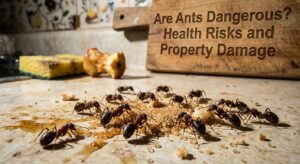
A faint scratching in the walls. A line of ants marching toward the counter. A few suspicious bites after a night’s sleep. For both tenants and landlords, these are dreaded discoveries. The immediate question that follows is almost always the same: who pays for the exterminator in a rental? This question sparks a cycle of finger-pointing, frustration, and delayed action we call the ‘Responsibility Trap’.
The tenant might argue the building has structural issues, while the landlord points to the tenant’s cleanliness. While both parties debate who is responsible for fleas in a rental property or argue over the cost of exterminator for rental property, the pests are doing what they do best: multiplying. This reactive approach is a failed, short-term strategy. It focuses on the symptom—the infestation—while completely ignoring the root causes. The genuine problem isn’t just the pests; it’s the lack of a clear plan that allows them to thrive in the first place. Every day spent arguing is a day the infestation gets worse, more expensive to control, and more damaging to the landlord-tenant relationship and the property itself.
A Proactive Partnership: The Foundation of Effective Pest Management
The alternative to the Responsibility Trap is a fundamental shift in mindset from confrontation to collaboration. Instead of waiting for a problem, a proactive partnership establishes clear expectations and shared goals before a tenant even moves in. This approach recognizes a crucial truth: both parties have a vested interest in a clean, safe, and pest-free home.
This partnership model isn’t just about feeling good; it’s about smart property management. It dramatically reduces the likelihood of major infestations, protects the property’s value, and fosters a positive living environment that encourages long-term, responsible tenants. The cornerstone of this partnership is a clear, legally sound document that translates good intentions into actionable steps: the pest control addendum.
Implementing a ‘Pest Control Addendum’: Your Blueprint for a Pest-Free Property
A pest control addendum to lease is a formal agreement, signed along with the primary lease, that explicitly defines the pest-related responsibilities of both the landlord and the tenant. This document removes ambiguity and serves as a roadmap for prevention and management. It’s the single most powerful tool for avoiding disputes about issues like who is responsible for spiders in a rental or whether termite treatment is a landlord or tenant expense.
A comprehensive pest control clause in a lease agreement should be detailed and fair. It should be seen not as a list of demands, but as a mutual agreement for maintaining a quality home. A genuine property management strategy includes this from the start.
Landlord Duties: Sealing the Structural Envelope
The landlord’s primary role is to provide a safe and habitable living space. In the context of pest control, this means ensuring the building itself is a fortress against invaders. Key responsibilities to outline in the addendum include:
- Structural Integrity: Committing to promptly sealing cracks, crevices, and gaps in the foundation, walls, and around utility penetrations where pests can enter. This is the first line of defense against rodents and insects.
- Plumbing and Moisture Control: Maintaining plumbing to prevent leaks that provide water for pests like cockroaches. This also includes ensuring proper drainage away from the foundation.
- Common Area Maintenance: Keeping common areas such as laundry rooms, hallways, and garbage disposal areas clean and well-maintained. This is critical for managing pests in a multi-family property.
- Landscaping and Outdoor Areas: Addressing landlord obligations for outdoor pests by trimming vegetation away from the building, ensuring trash receptacles are sealed, and handling issues like wasp nest removal landlord responsibility.
- Pre-Move-In Inspection: Conducting and documenting a thorough move-in pest inspection checklist to ensure the unit is pest-free at the start of the tenancy. This is also the time to implement measures like those recommended by Purdue University, which states that for preventing bed bug infestations, “it is important for management to work with individuals who are moving in or coming for a visit to prevent them from introducing bed bugs.” This preventative step can save immense trouble later, especially when dealing with pests from a neighbor.
- Professional Treatment: Arranging and paying for professional pest control for pre-existing issues or infestations that are not caused by tenant negligence, such as termites or carpenter ants.
Tenant Duties: Maintaining the Interior Environment
The tenant’s role is to maintain the interior of the rental unit in a way that discourages pests. These responsibilities are centered on sanitation and communication. A tenant’s guide to a pest-free apartment should be simple and clear in the addendum:
- Sanitation Standards: Agreeing to store food in sealed containers, dispose of garbage regularly in sealed bags and designated receptacles, and clean up spills and crumbs promptly. This directly impacts tenant responsibility for pests like ants and roaches.
- Clutter Management: Keeping the unit reasonably free of clutter, such as piles of newspapers or boxes, which can provide shelter and breeding grounds for pests. Tenant cleanliness and pest control are directly linked.
- Prompt Reporting: Agreeing to immediately report any signs of pests in a rental unit to the landlord. This is perhaps the most critical tenant obligation. Early detection makes control easier and cheaper.
- Cooperation with Treatment: Granting access for routine pest inspection for rental properties and cooperating with necessary preparations for pest treatment, such as those outlined in a pest control notice to tenants. This includes tenant obligations after fumigation or other intensive treatments.
- Avoiding DIY Dangers: Agreeing not to use unauthorized or potentially hazardous pesticides. It’s important to remember that in many jurisdictions, a landlord can only “treat property that is occupied by a tenant, only if (s)he is a certified commercial pesticide applicator.” As noted by the New York State Department of Health, this underscores the need for professional intervention rather than unapproved DIY pest control for renters.
From Sanitation to Structure: Identifying Common Pest Hotspots
Understanding the specific vulnerabilities that attract pests helps both parties fulfill their duties effectively. Most infestations can be traced back to either tenant-related sanitation issues or landlord-related structural flaws.
Tenant-Caused Pest Infestation: Common Triggers
When a tenant’s habits contribute to an infestation, it’s often unintentional. The most common triggers include:
- Improper Food Storage: Leaving food out on counters, using unsealed containers for pantry items like flour and cereal, or leaving pet food out overnight creates a buffet for ants, cockroaches, and rodents.
- Poor Waste Management: Allowing trash to overflow, using unlined bins, or not taking garbage out frequently enough attracts a wide variety of pests.
- Neglected Cleaning: Crumbs under appliances, grease buildup on stovetops, and sticky spills on floors are significant attractants. This is often the heart of a cockroach infestation rental property rights dispute. Cockroaches are not just a nuisance; they can pose serious health risks. In fact, “cockroaches can trigger asthma, and they have also been shown to transmit various diseases and carry pathogenic organisms or parasites.” This health impact makes their control a critical issue.
- Clutter: Piles of cardboard, clothing, or magazines provide ideal hiding and nesting spots for pests like bed bugs and spiders.
Landlord Responsibility for Pest Control: Structural Vulnerabilities
Even the cleanest tenant can face pest problems if the building itself is not secure. Landlords must focus on these common entry points and attractants:
- Unsealed Gaps: Mice can squeeze through a dime-sized hole. Gaps around pipes under sinks, cracks in the foundation, and poorly sealed windows and doors are open invitations. This is central to the question of ‘mice in rental house who is responsible’—sealing entry points is a landlord’s duty.
- Moisture Issues: A slow-leaking pipe under a sink, a damp basement, or a poorly ventilated bathroom creates the humid environment that many pests, including cockroaches and silverfish, need to survive.
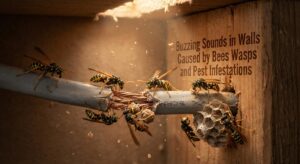
- Roof and Attic Access: Unscreened vents, holes in the soffit, and gaps near the roofline can allow access for wildlife. This is how you end up dealing with squirrels in attic rental situations or a raccoon in attic rental property. The question of who pays for bat removal in a rental almost always falls to the landlord, as it’s a structural access issue.
- Exterior Conditions: Overgrown trees touching the roof can create a bridge for ants and rodents. Piles of firewood stacked against the house can harbor termites and other insects.
The Communication Protocol: A No-Blame System for Rapid Intervention
A successful partnership hinges on open and timely communication. The pest control addendum should establish a clear, no-blame system for how to report pests to landlord. This prevents small issues from escalating into major infestations and avoids the conflict that arises when a problem is allowed to fester.
The protocol should specify:
- How to Report: A designated email address, online portal, or phone number for all maintenance and pest issues.
- What to Include: A tenant’s report should be factual and detailed. A sample letter to landlord about pest problem might include the type of pest seen, the exact location (e.g., “under the kitchen sink”), the date and time, and, if possible, a clear photo. This documentation is crucial.
- Landlord’s Response Time: A commitment from the landlord to acknowledge the report within a set timeframe (e.g., 24 hours) and schedule an inspection or treatment shortly thereafter.
This system turns a potential complaint into a collaborative data point. It allows for rapid intervention, which is essential for effective control. For tenants wondering what to do if your landlord won’t fix a pest problem, having documented communication is the first and most important step before considering any further action.
Comparing Pest Control Philosophies for Your Rental Property
Landlords and property managers essentially have two philosophies to choose from when it comes to pests. The choice has significant implications for cost, legal liability, and tenant relations.
The Reactive Approach (The Blame Game)
Description: This is the default “wait-and-see” method. Action is only taken after a tenant reports a significant infestation. The focus is on assigning blame to determine who pays for immediate eradication.
Pros:
- Lower upfront costs, as you only spend money when there’s a confirmed problem.
Cons:
- Higher long-term costs due to more extensive and difficult-to-treat infestations.
- Creates high-conflict situations and damages landlord-tenant relationships.
- Increases legal liability and risk of disputes over the warranty of habitability.
- Can lead to higher tenant turnover and reputational damage to the property.
- Often results in ineffective, short-term fixes that don’t address the root cause.
The Proactive Approach (The Partnership)
Description: This method focuses on preventative commercial pest control for rental properties through a combination of structural maintenance, tenant education, and clear lease agreements (like a pest control addendum).
Pros:
- Significantly lower long-term costs by preventing major infestations.
- Reduces conflict by establishing clear responsibilities from the outset.
- Limits legal liability by demonstrating due diligence and adherence to habitability standards.
- Improves tenant satisfaction and retention by providing a healthier living environment.
- Far more effective at achieving long-term pest control.
Cons:
- Requires a higher initial investment of time (to create the addendum) and money (for preventative sealing or inspections).
The Role of Professional Pest Management
Description: Engaging a professional company for integrated pest management for rental properties. This can be part of either a reactive or proactive strategy but is most effective in the latter.
Pros:
- Expertise in identifying pests, their entry points, and the most effective, safe treatment methods.
- Access to commercial-grade, eco-friendly pest control for rentals that is more effective than DIY solutions.
- Provides a neutral, expert third party to assess the cause of an infestation, which can help resolve disputes.
- Reduces landlord liability, as professionals are licensed and insured.
Cons:
- Represents an ongoing operational cost (though often less than a single emergency treatment).
Ultimately, a successful program requires a team effort. As experts at Michigan State University Extension point out, “in rental or multi-family units, effective treatment requires the cooperation of three parties working together: The resident, the landlord and the Pest Management Professional (PMP).” This collaborative approach is the gold standard for genuine property management.
Key Factors in Your Pest Management Decision
When developing a pest management strategy for your properties, several critical factors must be weighed. Your approach to these factors will determine your long-term success, costs, and stress levels.
- Cost of Prevention vs. Cost of Eradication A proactive quarterly preventative service might cost a few hundred dollars a year. A single, full-blown bed bug treatment for one apartment unit can easily cost over a thousand dollars, not to mention the risk of it spreading to adjacent units. Sealing a crack around a pipe is a minor maintenance task; dealing with a rodent infestation that has damaged wiring is a major, expensive repair.
- Long-Term Effectiveness vs. Short-Term Fixes Spraying for ants that are entering through a gap under the door is a short-term fix. The ants will return. Caulking that gap is a long-term, effective solution. A proactive approach prioritizes these durable solutions, while a reactive approach is stuck in a cycle of temporary fixes.
- Clarity of Responsibilities to Reduce Conflict Ambiguity is the enemy of a good landlord-tenant relationship. Without a clear addendum, every pest issue becomes a negotiation or an argument. A clear, written agreement pre-solves these conflicts, saving time, money, and stress for everyone involved. It answers questions like “are landlords responsible for ants?” before they even become a point of contention.
- Legal Compliance and Liability Landlords have a legal obligation to provide a habitable home, which is generally interpreted to mean free of significant pest infestations. This is often referred to as the “warranty of habitability.” Failing to address a pest problem can lead to tenants breaking lease due to pest infestation, rent abatement, or even legal action. A proactive plan with clear documentation is your best defense and demonstrates you are meeting your obligations under local landlord pest control laws by state.
- Tenant Cooperation and Satisfaction A tenant who feels they are a partner in maintaining their home is more likely to be cooperative, report issues early, and take pride in the property. A clean, pest-free environment is a major contributor to tenant satisfaction and retention, reducing the high costs associated with turnover.
Frequently Asked Questions About Pest Control in Rentals
Navigating pest issues can be confusing. Here are answers to some of the most common questions we hear.
Does my landlord need to do pest control?
Yes, landlords are generally required to provide a habitable living environment, which includes taking steps to control pests. The specifics of landlord responsibility for pest control can vary by state and depend on the cause of the infestation. If the pests are present due to structural defects or were there before you moved in, it is almost always the landlord’s responsibility. If an infestation is a direct result of a tenant’s actions (e.g., poor sanitation), the tenant may bear some or all of the responsibility, especially if outlined in the lease.
Is a landlord responsible for rodent control?
Typically, yes. Rodent control is often tied to the structural integrity of the building. The landlord is responsible for sealing entry points in the foundation, walls, and roof to prevent rodents from getting in. While a tenant’s cleanliness habits play a role, the primary responsibility for rodent-proofing the structure (rodent control landlord or tenant) falls on the property owner.
What are the three rules for pest control?
The core principles of Integrated Pest Management (IPM), a highly effective and sustainable approach, can be simplified into three rules:
- Deny Entry: Seal up any and all cracks, holes, and gaps that pests could use to enter the property.
- Deny Food and Water: Maintain strict sanitation standards. Store food properly, clean up spills immediately, and fix any leaks.
- Deny Shelter: Reduce clutter, keep storage areas organized, and trim landscaping away from the building to eliminate hiding and nesting places.
How often should a landlord do pest control?
There is no single answer, but a proactive approach is best. Many property managers for multi-family buildings opt for quarterly or bi-annual preventative treatments and inspections, especially for common pests like cockroaches and rodents. For single-family homes, an annual inspection and preventative treatment is a good baseline. Most importantly, landlords should act immediately whenever a pest problem is reported, regardless of the routine schedule.
Making the Right Choice for Your Needs
The best pest management strategy depends on your specific situation. There is no one-size-fits-all answer, but by understanding your role and goals, you can make a confident decision.
For the Proactive Property Manager
You manage multiple units and your goals are efficiency, profitability, and tenant retention. Your best path is to fully embrace the partnership model. Standardize a comprehensive pest control addendum for all your lease agreements. Invest in preventative maintenance by sealing common entry points across all your properties. Consider a contract with a professional pest management company for routine inspections and commercial pest control for apartment buildings. This upfront investment will pay dividends in reduced emergency calls, lower long-term costs, and a reputation for providing high-quality, well-maintained housing.
For the Frustrated Landlord
You’re currently in the middle of a dispute over an infestation. The immediate goal is to de-escalate and solve the problem. Stop the blame game. Your first step should be to bring in a neutral, professional pest control expert to inspect the property. They can provide an unbiased assessment of the infestation’s source and scope. Use this report to guide your next steps. Address the immediate infestation professionally. Then, once the crisis is resolved, sit down with your tenant to implement a pest control addendum for the remainder of their lease. This turns a negative experience into a positive step forward, clarifying responsibilities and preventing future issues.
For the Conscientious Tenant
You want a clean home and are willing to do your part. Your power lies in communication and documentation. When you first suspect a problem, report it to your landlord immediately in writing. Use our “Communication Protocol” guide: describe what you saw, where you saw it, and when. Take pictures. Keep a copy of all communication. Continue to uphold your responsibilities by keeping your apartment clean and free of clutter. If your landlord is unresponsive, your documentation will be your most valuable asset. Understand your tenant rights pest infestation laws in your state, but always start with clear, respectful, and documented communication.
Ultimately, managing pests in a rental property is a shared responsibility that thrives on clarity and cooperation. By shifting from a reactive, confrontational model to a proactive, partnership-based approach, both landlords and tenants can achieve the same goal: a safe, healthy, and pest-free home. This strategy not only solves pest problems more effectively but also builds a foundation of trust and respect that is invaluable in any rental relationship.
For a professional assessment of your property and expert guidance in establishing a proactive pest management plan, the team at Valley Integrated Pest Control is here to help. Serving property managers and homeowners in Fresno, CA, and the surrounding areas, we specialize in creating long-term, effective solutions that provide peace of mind for landlords and tenants alike. Contact us today for a consultation.


