


Many people find wasp stings to be alarming, particularly in the warmer months when the insects are most active. Some people might simply feel a little uncomfortable, but others might react quite strongly. You can take the appropriate precautions if you are aware of the possible risks posed by wasp stings and how they vary from bee stings. The many facets of wasp stings, their consequences, and safety precautions will all be covered in this blog post.
What Happens When a Wasp Stings?
Wasps inject venom into your skin when they sting. A combination of compounds in its venom can result in discomfort, swelling, and redness. Wasps can sting more than once because, unlike bees, they do not lose their stinger after attacking. Usually, there is a sharp ache at first, followed by a burning sensation. The majority of people experience mild symptoms that disappear on their own in a matter of hours or days.
Typical Reactions
- Localized Pain and Swelling: Around the sting site, most patients will feel pain and edema. These symptoms can be controlled at home and are typically transient.
- Itching and Redness: Your body may react to the venom with swelling, itching, and redness. This is a regular reaction that usually goes away on its own.
- Allergic Reactions: Individuals may experience mild to severe allergic reactions in certain situations. Breathing difficulties, swelling outside the stung site, and hives are some of the symptoms.1
When Are Wasp Stings Dangerous?
Wasp stings can be more than simply an unpleasant experience for some people. Allergic reactions have the potential to rapidly worsen and endanger life. Anaphylaxis is a serious reaction that needs to be treated by a doctor right away. Breathing difficulties, dizziness, a fast heartbeat, and facial or throat swelling are indicators of a severe reaction. After a wasp sting, get emergency medical attention immediately if you or someone else exhibits these symptoms.
Risk Factors
- Multiple Stings: Multiple stings can raise your body’s venom levels and increase the likelihood of a serious reaction. Being mindful of your surroundings is essential, particularly in regions where wasps are prevalent.
- Allergies: Anaphylaxis is more likely to occur in people who have known allergies to insect stings. If prescribed, having an epinephrine injector on hand can save lives.
How to Treat a Wasp Sting
There are things you can do to lessen the effects of a wasp sting. To avoid infection, wash the area with soap and water first. Pain and swelling can be lessened by applying a cold pack. Antihistamines and over-the-counter painkillers may also work well. Consult a doctor if symptoms worsen or continue. To guarantee safety, it’s critical to keep an eye out for any variations in response.
Wasp Different from Bees
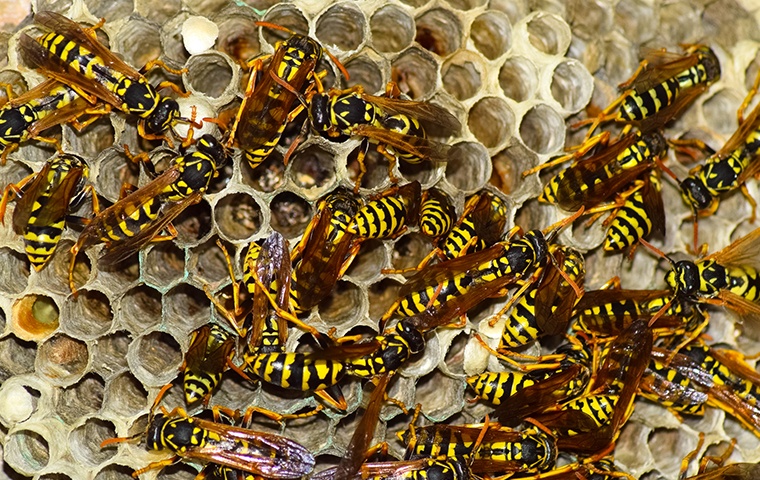
Bees and wasps differ in appearance and behavior, despite certain similarities. In general, bees’ bodies are more robust and hairy, which aids in pollen collection. In contrast, wasps are more aggressive and have a sleek, slender body. These distinctions also apply to how they sting; wasps can sting more than once, whereas bees typically only sting once. You can recognize and respond to each insect more effectively if you are aware of these distinctions.
Preventing Wasp Stings
To avoid being stung, especially in hot weather when wasps are more active, consider taking some precautions:
- Avoid Bright Colors and Scents: Because wasps are drawn to bright colors and sweet scents, dress appropriately and stay away from overpowering perfumes.
- Keep Food Covered: When eating outdoors, keep food and drinks covered to avoid attracting wasps. This simple precaution can significantly reduce encounters.
- Safe Wasp Removal: It is preferable to hire a professional for safe wasp eradication if you discover a wasp nest close to your house rather than trying to handle it yourself. By doing this, you and the environment are both protected.
Protect Your Outdoor Experience from Wasps: Expert Removal Services Available
Although wasp stings are frequently only a brief inconvenience, people with allergies may be at considerable risk for health problems. You may stay safe by being aware of the differences between wasps and bees, identifying the signs of a sting, and knowing how to prevent and treat stings. To reduce the chance of stings, think considering hiring a professional wasp removal service if you are worried about wasps surrounding your house. During wasp season, being aware and ready might make all the difference in your safety. Even when wasps are buzzing close by, you can enjoy the outdoors with peace of mind if you take precautions and know how to react.
Don’t let wasps ruin your outdoor fun! Contact Valley Integrated Pest Control today. Our experts provide safe, effective removal services to protect you and your family from wasp stings. Stay safe, informed, and sting-free this season with our professional help. Call now for peace of mind!


