



The sight of a mouse scurrying across the floor or the discovery of chewed food packaging is unsettling. For most homeowners, it’s a sign of a simple nuisance—a pest problem to be dealt with. But this perspective dangerously underestimates the threat. The most significant danger of a rodent infestation lies not in the visible damage, but in the hidden, cascading failures it triggers. A single gnawed wire can transform into a catastrophic house fire, a small entry point can become a superhighway for other pests, and minor contamination can evolve into a systemic threat to your home’s structural integrity, air quality, and financial value.
Ignoring the scratching in the walls or the droppings in the pantry is not just procrastination; it’s allowing a complex and destructive force to silently dismantle your home from the inside out. Understanding the true consequences of ignoring a pest problem is the first step in protecting your property and your family’s health.
From Gnawed Wire to House Fire: The Silent Electrical Threat
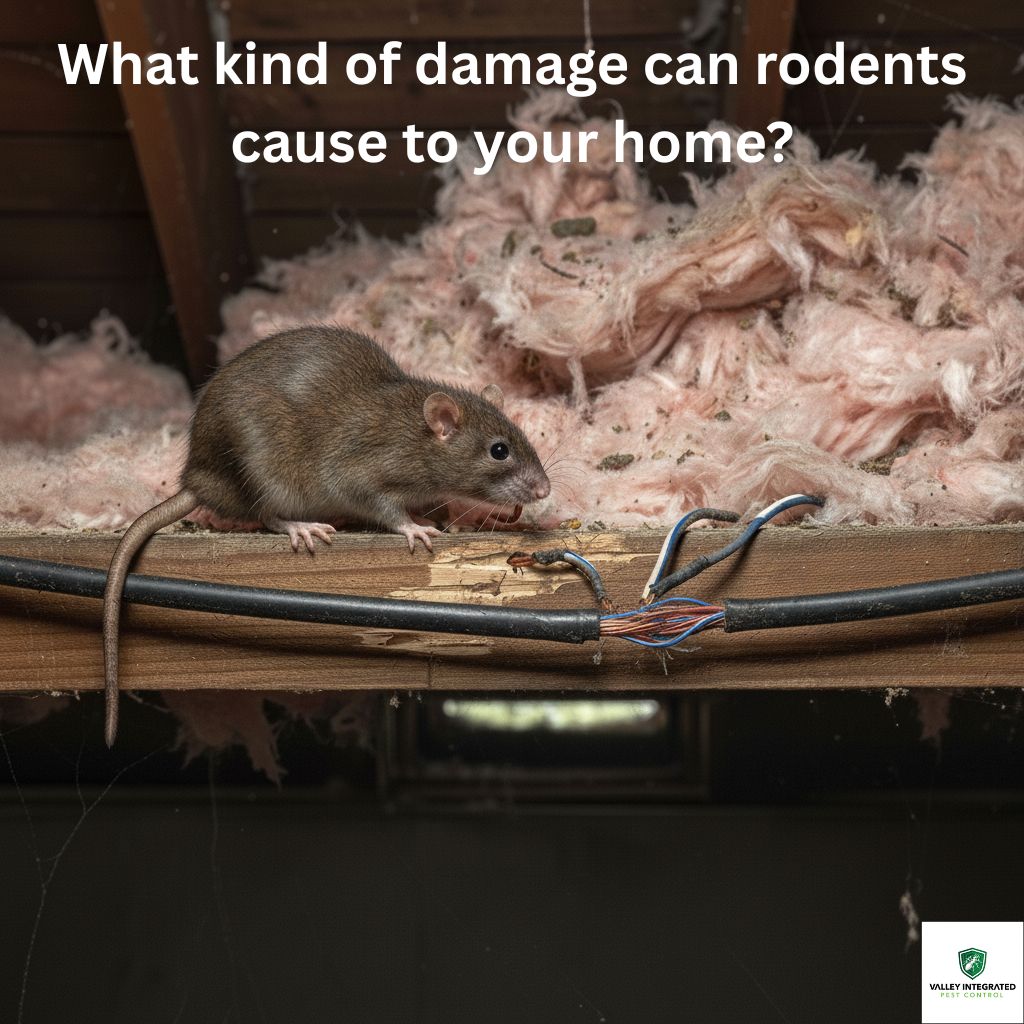
One of the most insidious hidden dangers of a mouse problem is the risk of a house fire. This isn’t a rare or freak occurrence; it’s a direct result of rodent biology. Rodents’ constant need to gnaw leads them to chew on electrical wires, structural wood, and drywall. Their incisor teeth grow continuously, and they must chew on hard surfaces to wear them down.
Unfortunately, the plastic sheathing on electrical wiring provides the perfect texture. When mice and rats chew through this protective coating, they expose the live wires. This rodent electrical wire damage can lead to several dangerous outcomes:
- Arc Faults and Short Circuits: Exposed wires can arc, creating intense heat that ignites surrounding materials like insulation, wood, or nesting materials. This is a primary, yet often misdiagnosed, cause of electrical fires. Answering the question, “can mice cause a house fire?” with a definitive “yes” is critical for homeowner awareness.
- Appliance Failures: Rodents nesting behind refrigerators, ovens, or inside HVAC units often chew on the internal wiring. This can lead to malfunctioning appliances, costly repairs, and potential electrical shorts. A sudden failure of a major appliance could be one of the first signs of rodent damage you notice.
- System Disruptions: Beyond fire, chewed wires can disrupt internet, cable, and phone lines, causing frustrating and persistent connectivity issues that are difficult to trace back to their furry source. The cost to repair chewed wires can range from hundreds to thousands of dollars, depending on accessibility.
Identifying rodent chew marks on wires, which often look like small, scraped, or gnawed sections, is a clear sign that your home is a fire hazard in the making. What looks like minor furniture damage from mice on chewed baseboards and wires is often an indicator of a much more dangerous problem lurking behind the walls.
The Pest Superhighway: How One Small Hole Becomes a Major Invasion
Related: How do you know if you have rats or mice?
A common misconception is that a rodent problem is contained. The reality is that the presence of one pest creates vulnerabilities for countless others. Rodents are master infiltrators; in fact, mice can squeeze through openings as small as one-quarter-inch in diameter to enter a home. Once inside, they don’t just stay put—they create a network.
These entry points and internal pathways become a “pest superhighway,” inviting a secondary wave of infestations. Here’s how it unfolds:
- Creating Entry Points: Rodents will chew through drywall, wood, insulation, and even soft concrete to expand their territory. These holes, often hidden in attics, basements, or crawl spaces, become open invitations for insects like cockroaches, ants, and spiders.
- Compromising Structural Integrity: Over time, extensive burrowing and gnawing can cause significant structural damage from rats and mice. This vermin damage to property can weaken floor joists, wall studs, and even cause roof damage as they seek entry from above. Rodent burrowing under a foundation can compromise the stability of your home’s very base.
- Inviting Moisture and Mold: Holes chewed in the building envelope, from the foundation to the roofline, allow water to seep in. This moisture can lead to wood rot, saturated insulation, and the growth of toxic mold, creating an entirely new set of health hazards and expensive remediation projects.
The faint sounds of rodents in the ceiling or the scratching that indicates signs of rats in walls are auditory clues that your home’s defenses have been breached. Learning how to identify rodent entry points to a house is a crucial step in preventing this cascading invasion.
The Contamination Cascade: A Systemic Threat to Your Home’s Health
While people often worry about rodents getting into their food, the contamination threat is far more pervasive. It’s a cascade that begins with a single rodent and can eventually compromise your entire living environment. The scale of their impact on food is staggering; globally, rats and mice contaminate up to one-third of the world’s food supply. But in your home, the damage extends much further.
Damage to Insulation and Air Quality
Attics and wall voids are prime nesting locations. What does a mouse nest look like? It’s a messy ball of shredded materials, and your home’s insulation is a favorite choice. This insulation damage from mice and rats is a multi-faceted problem:
- Energy Inefficiency: As rodents tunnel and shred insulation, they create voids and compress it, drastically reducing its R-value. This means your HVAC system has to work harder to maintain temperatures, leading to significantly higher energy bills.
- Contaminated Air: Rodents use these nesting areas as their toilet. The insulation becomes saturated with droppings and urine. As your HVAC system circulates air, it can pull airborne particles from these contaminated areas, spreading them throughout your home. This directly answers the question: “Can you get sick from breathing in mouse droppings?” Yes, you absolutely can. The dangers of rodent urine and feces are severe, leading to allergies and respiratory issues.
Direct Health Risks and Disease Transmission
Beyond poor air quality, rodents are vectors for serious illnesses. You can get sick from rodents in your house even without direct contact. The National Park Service notes that rodents directly transmit a number of pathogens that can cause human diseases, including hantavirus, leptospirosis, rat bite fever, and salmonellosis. These diseases spread by rodents in homes can be transmitted in several ways:
- Hantavirus: A severe, sometimes fatal, respiratory disease transmitted by inhaling dust contaminated with the urine or droppings of infected mice.
- Leptospirosis: A bacterial infection spread through contact with water or soil contaminated by the urine of infected animals, including rats. It can cause fever, headache, and severe kidney or liver damage.
- Salmonellosis: A type of food poisoning caused by consuming food or water contaminated with rodent feces.
The health risks of mouse droppings and urine make professional sanitation essential after an infestation. Simply sweeping them up can aerosolize dangerous pathogens.
The Financial Time Bomb: Uncovering the True Cost of Rodent Damage
The cumulative financial cost of rodent damage can be staggering, extending far beyond the price of a few traps. The long-term effects of a rodent infestation create a financial time bomb, with hidden costs that surface long after the pests are gone.
One of the most painful discoveries for homeowners is the insurance loophole. Does homeowners insurance cover damage caused by rodents? In the vast majority of cases, the answer is no. Insurance providers typically classify rodent infestations and the resulting damage as a preventable maintenance issue, leaving the homeowner responsible for the full financial burden.
A professional rodent damage assessment can reveal a wide range of expenses:
- Structural Repairs: This includes repairing or replacing chewed drywall, wood, and baseboards, as well as more extensive work like fixing foundation or roof damage.
- Electrical and Plumbing Work: The cost to repair chewed wires or fix water damage from chewed pipes can be substantial, often requiring licensed professionals.
- Insulation Replacement: The contaminated insulation removal cost is a significant expense, as the old material must be removed safely before new insulation can be installed.
- Appliance Replacement: If wiring in an HVAC unit, refrigerator, or even a car engine is damaged beyond repair, the replacement costs are high.
- Property Devaluation: A history of a large rodent infestation can negatively impact your property value and make your home harder to sell.
Identifying the Invasion: Common Signs of a Rodent Infestation
Related: What are the most common rodents in Fresno?
Early detection is key to mitigating damage. The problem is that rodents are secretive. However, they always leave evidence. What is one of the signs of a rodent infestation? There are several key indicators to watch for:
- Droppings: Small, dark, pellet-shaped droppings are often the first sign. Mouse droppings are small with pointed ends, while rat droppings are larger and capsule-shaped. They are commonly found in pantries, under sinks, and along baseboards.
- Gnaw Marks: Look for fresh chew marks on wood, drywall, food packaging, or plastic. You can learn how to identify rodent chew marks by their small, paired grooves.
- Scratching or Scurrying Noises: Pay attention to faint sounds of rodents in the ceiling or walls, especially at night when they are most active.
- Nests or Nesting Materials: Finding shredded paper, fabric, or dried plant matter in secluded corners, behind appliances, or in storage boxes is a clear sign of nesting.
- Tracks or Runways: In dusty areas, you might see tiny footprints. Rodents also create “runways” along walls, leaving greasy rub marks from their fur.
Remember that a small sign can indicate a large problem. According to the Illinois Department of Public Health, in a single year, a female mouse may have five to 10 litters of usually five or six young, with young maturing in as little as six to 10 weeks. This exponential growth is why quick action is critical.
Taking Action: Protecting Your Home, Health, and Finances
Once you’ve identified signs of a rodent infestation, a multi-step approach is necessary for effective removal and preventing future rodent damage. This involves more than just setting a few traps; it requires a comprehensive strategy for professional rodent damage repair and control.
First, a thorough inspection is needed to determine the extent of the infestation and identify all entry points. Second, a combination of rat and mouse removal techniques must be employed to eliminate the current population. Finally, and most importantly, exclusion work must be performed. This means sealing every potential entry point—from foundation cracks to roof vents—to prevent re-entry. Materials that mice cannot chew through, like steel wool, hardware cloth, and solid concrete, are essential for this process.
The consequences of ignoring a pest problem are clear. It is not a minor inconvenience but a serious threat that triggers a cascade of destruction. From the fire hazard in your walls to the pathogens in your air, the true cost is measured in safety, health, and financial stability. Protecting your home from rodent damage requires vigilance and, when necessary, decisive professional intervention. Don’t wait for the cascading failures to become a full-blown catastrophe.


